
Bringing Water Back to the Land: How Beaver Analogs Help Restore Wetlands

By Tyee Joseph
Across North America, wetlands once shaped the landscape. They slowed water, built rich soils, and supported countless species. A key architect of those ecosystems was the North American Beaver (Castor canadensis).
For thousands of years, beavers engineered wetlands by building dams that spread water across floodplains. These natural structures created ponds, marshes, and wet meadows that supported fish, amphibians, birds, insects, and culturally important plants. But after centuries of trapping, land clearing, and river modification, beavers disappeared from many watersheds—and the wetlands they maintained vanished with them.
Today, restoration practitioners like Redd Fish Restoration Society are turning to a simple but powerful idea: Beaver Dam Analogs (BDAs).
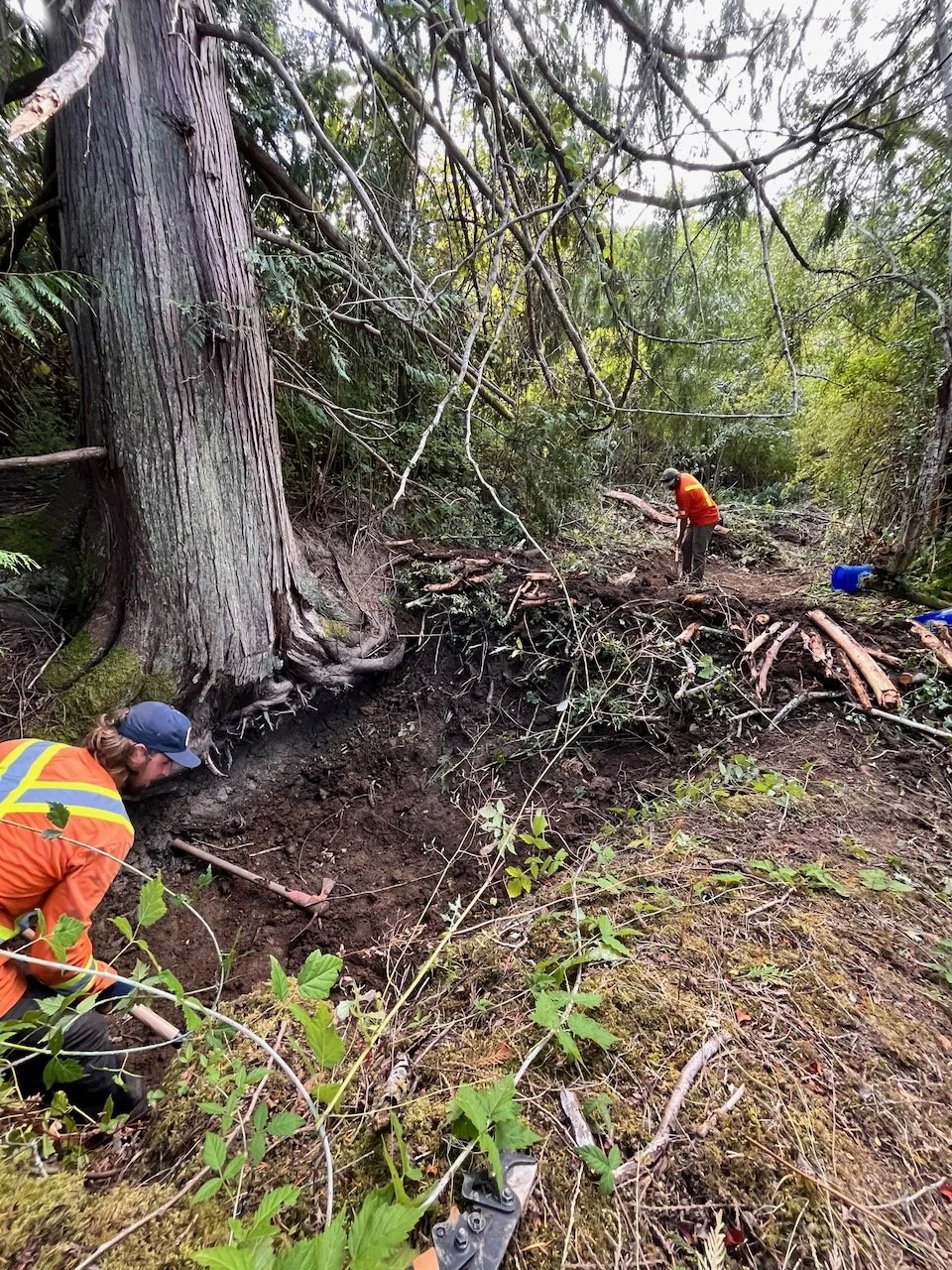
Beaver dam analogs are human-built structures that mimic natural beaver dams. Using untreated wooden posts, local branches, and surrounding sediment, people construct small, semi-permeable barriers across streams. These structures slow water flow while still allowing fish and sediment to pass through.
Unlike concrete dams or large infrastructure, BDAs are intentionally temporary and naturalistic. They are designed to work with the river and streams rather than control it. Over time, water begins to pool behind the structure, raising the water table and reconnecting the stream with its floodplain. Sediments accumulate, vegetation returns, and the land begins to behave more like a wetland again.
One of the most powerful effects of BDAs is water sequestration—the ability of wetlands to capture and store water in the landscape. Instead of rushing quickly downstream, water spreads out and infiltrates into soils.

This creates several important benefits: groundwater recharge, flood reduction, drought resilience, and climate stability. Water stored behind beaver analogs slowly seeps into surrounding soils, replenishing aquifers and maintaining streamflow during dry seasons while also reducing downstream flood peaks.
Another goal of BDAs is to invite beavers back. Beavers prefer slow-moving water where they can safely build dams and lodges. In degraded streams where water flows too quickly or channels are deeply incised, beavers often cannot establish themselves. BDAs help slow the current, create deeper pools, and encourage vegetation like willow and cottonwood.

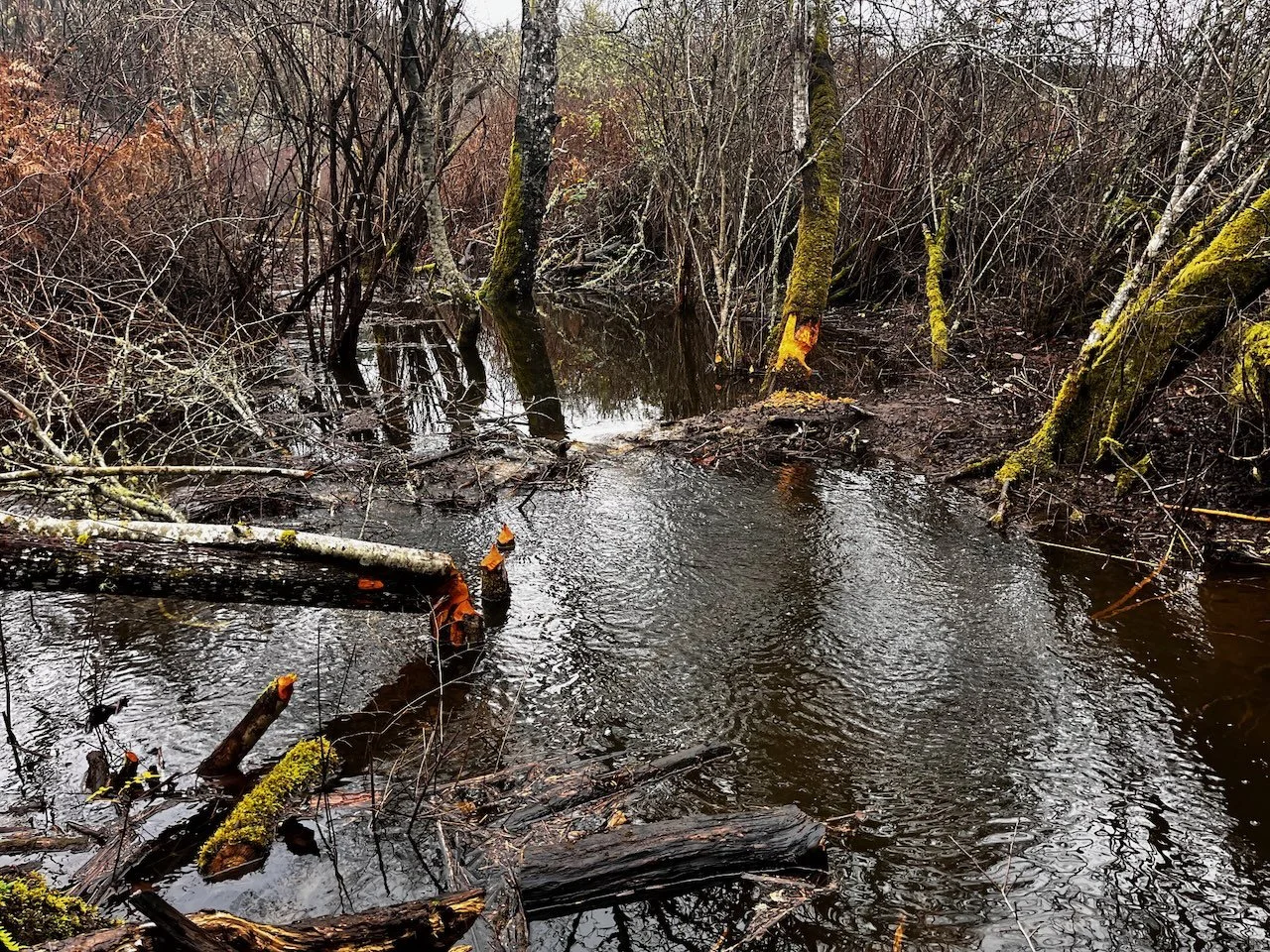
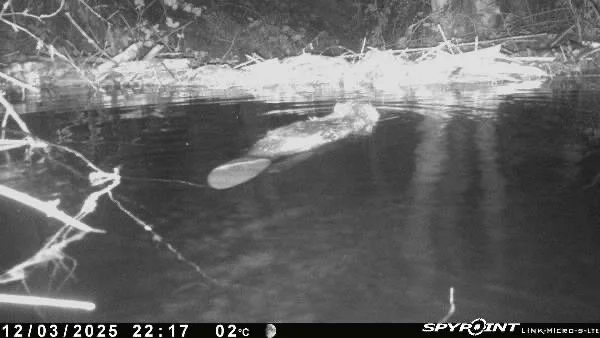
Once suitable conditions return, beavers often move in and take over the structures, reinforcing them with mud and branches. In many restoration projects, humans only need to build the first structures—after that, the beavers continue the work themselves.
When wetlands return, biodiversity increases dramatically. Beaver ponds create habitat for salmon and trout rearing areas, amphibians like frogs and salamanders, wetland birds and waterfowl, and bats and insects that rely on aquatic ecosystems.
Wetlands also allow culturally important plants to thrive again—plants historically used for food, weaving, medicine, and ceremony. For many Indigenous communities, wetland restoration is not just ecological work—it is cultural restoration.
By building beaver dam analogs and restoring wetlands, people are not simply repairing damaged landscapes. They are rebuilding relationships with water, animals, and the land itself. The lesson from beavers is simple but profound: ecosystems thrive when water is allowed to slow down, spread out, and soak into the earth.
